


On land, patience is often something people talk about but rarely practice. Life moves fast. Messages arrive instantly, schedules are tight, and waiting feels uncomfortable. Underwater, that pace disappears. Scuba diving slows everything down, not because someone tells you to relax, but because the ocean simply works that way.
Many divers notice this change during their first few dives. Without trying, they begin to move slower, breathe calmer, and react less. This is how scuba diving teaches patience, quietly and naturally.
Why Patience Matters in Scuba Diving

Scuba diving is not an activity where rushing helps. In fact, moving too fast often creates problems.
Water is much denser than air. Every movement takes more effort. Equipment like regulators, buoyancy devices, and gauges need careful handling. Safety also depends on clear thinking and calm reactions.
This is why divers move slowly. It is not just a style. It is a necessity. Over time, patience becomes part of how you dive.
Breathing Control Is the First Lesson in Patience

Breathing is the most important skill in scuba diving, and it is also the first place where patience appears.
When a diver breathes too fast, air is used quickly and the body becomes tense. Slow and steady breathing has clear benefits:
- Air lasts longer: Slow breathing uses less air with each breath, so the tank does not empty too fast.
- The body stays relaxed: Calm breathing lowers stress and helps muscles stay loose instead of tense.
- Buoyancy becomes easier to control: Steady breathing helps the body stay balanced in the water, making it easier to float without going up or down too much.
This is based on simple physiology. Calm breathing reduces stress and keeps the heart rate lower. Underwater, you feel this effect immediately. Without any explanation, divers learn that slowing down feels better and works better.
Buoyancy Control Teaches You to Stop Rushing

Buoyancy control is often one of the hardest skills for new divers. Many people try to fix it too quickly by adding or releasing too much air.
What works better is patience.
Small adjustments lead to stability. Waiting a few seconds lets the body respond. Over time, divers learn to trust slow changes instead of fast reactions.
This teaches an important lesson. Not every problem needs an instant solution. Sometimes the best response is to pause and observe.
Moving Slowly Helps You See More Marine Life
One common question from new divers is why experienced divers seem to see more underwater. The answer is not better eyesight or luck.
It is patience.
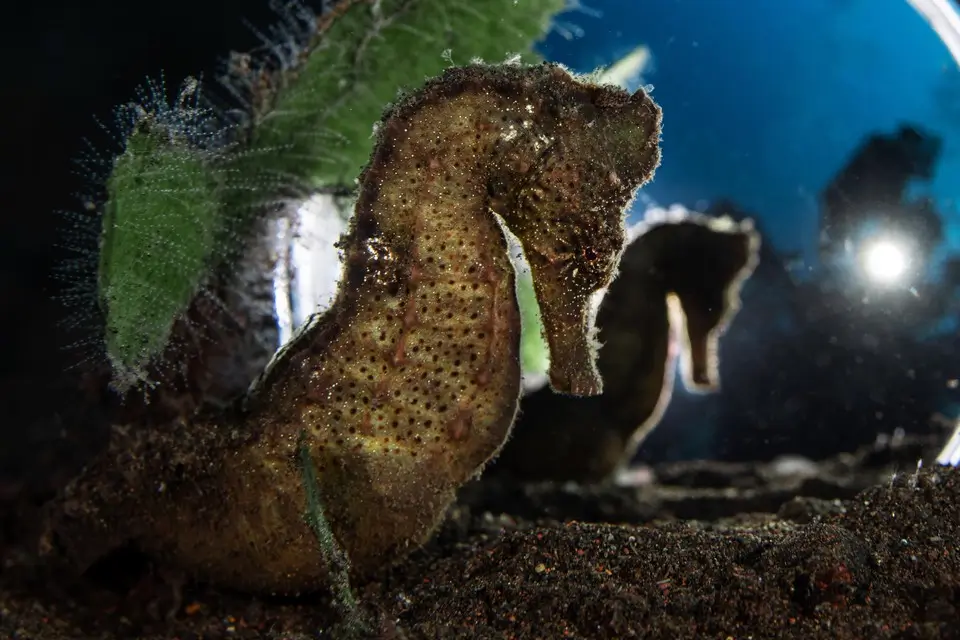
Marine life reacts to movement. Fast motions scare fish away. Slow and calm divers blend into the environment. When you pause and hover quietly, fish return, turtles continue swimming, and small creatures appear from coral and rocks.
By slowing down, divers discover more. The ocean reveals itself to those who wait.
The Ocean Sets Its Own Pace
On land, people often try to control time and speed. Underwater, the ocean sets the pace.
Currents cannot be rushed. Visibility changes slowly. Conditions require adaptation, not force. Divers learn to read the environment and respond calmly.
This creates a shift in mindset. Instead of pushing forward, divers learn to work with what is around them. This is patience built through experience, not instruction.
Why Time Feels Different During a Dive

Many divers describe time underwater as feeling slower or fuller. This is not imagination.
Underwater, distractions disappear. There are no phones, no noise, and no multitasking. Attention narrows to breathing, movement, and surroundings.
Psychologically, this focused attention reduces mental stress and makes time feel less rushed. This is one reason why many people feel calm and refreshed after a dive.
How This Patience Transfers to Daily Life

The patience learned underwater does not always stay there. Many divers notice changes on the surface.
- Better awareness of breathing during stress
- More comfort with slowing down
- Less need to react immediately
As Daniel, a certified diver who joined several relaxed dives with Bali Fun Diving, shared:
“After diving, I notice I breathe deeper and pause more before reacting. It feels like my body remembers the calm from underwater.”
These changes are subtle, but real. Scuba diving creates a space where patience feels natural. That feeling often follows divers back into everyday life.
Who Benefits Most From This Lesson
This lesson is not only for experienced divers.
Beginners often learn patience while managing nerves and new skills. Busy people appreciate the mental reset diving provides. Experienced divers deepen their awareness by refining calm control.
Patience grows at every level of diving.
A Skill Learned Without Being Taught
Scuba diving does not explain patience. It creates conditions where patience becomes the easiest choice.
By breathing slowly, moving gently, and adapting to the ocean, divers learn to slow down without thinking about it. Calm dive environments, like those found in Bali, make this experience even more natural, especially when dives are guided with a relaxed and unhurried approach.
Sometimes the most valuable lessons are the ones no one needs to say out loud.
Share this Article